
- Gas Physics & Dissolved Oxygen: According to Henry’s Law, breathing 95% oxygen under 2.0 ATA pressure increases dissolved plasma oxygen concentration by 1,400%, bypassing hemoglobin saturation limits and oxygenating hypoxic microvascular beds.
- Chamber Construction Thermodynamics: Mild hyperbaric soft chambers (mHBOT) operating at 1.3 to 1.4 ATA are pressure-limited by urethane bladder seam strength and zipper ratings, whereas ASME-PVHO certified hard-shell chambers sustain 2.0 to 3.0 ATA working pressures.
- Mitochondrial & Stem Cell Signaling: Clinical protocols at 2.0 ATA trigger sustained mobilization of CD34+ hematopoietic stem cells and stimulate VEGF-mediated capillary angiogenesis, biological endpoints that soft 1.3 ATA chambers cannot reliably achieve.
Among the pantheon of advanced cellular biohacking modalities, few technologies boast as deep a foundation in clinical physiology as Hyperbaric Oxygen Therapy (HBOT). Originally developed in naval and diving medicine to treat decompression sickness and arterial gas embolism, hyperbaric medicine has expanded dramatically into restorative neurology, wound healing, sports recovery, and cellular longevity. The physiological premise is disarmingly elegant: expose the human body to an atmospheric pressure greater than sea level while administering high-concentration oxygen, forcing oxygen gas to dissolve directly into blood plasma, cerebrospinal fluid ($CSF$), lymph, and interstitial fluid.
However, the biohacking market has seen an explosion of consumer-grade “mild hyperbaric oxygen therapy” (mHBOT) chambers. These soft-sided, inflatable zippered chambers—frequently marketed for home use—operate at pressures of 1.3 to 1.4 atmospheres absolute (ATA). Concurrently, commercial longevity clinics and hospital hyperbaric departments utilize rigid, ASME-certified hard-shell acrylic or steel monoplace chambers operating at 2.0 to 2.4 ATA. This technical masterclass examines the gas physics, fluid dynamics, chamber engineering, and cellular biological mechanisms distinguishing mild 1.3 ATA soft chambers from clinical 2.0 ATA medical chambers.
What Is Henry’s Law and How Does Hyperbaric Pressure Force Oxygen into Plasma?
Henry’s Law states that at a constant temperature, the amount of a given gas dissolved in a given type and volume of liquid is directly proportional to the partial pressure of that gas in equilibrium with that liquid; hyperbaric pressure dramatically elevates oxygen partial pressure, forcing oxygen to dissolve directly into liquid blood plasma independently of red blood cell hemoglobin.
Under normal sea-level atmospheric conditions (1.0 ATA or 760 mmHg), ambient air consists of approximately 21% oxygen and 78% nitrogen. In arterial blood, nearly 98% of all oxygen transport is carried bound to iron-containing hemoglobin molecules inside erythrocytes (red blood cells). A healthy individual breathing ambient air maintains a hemoglobin saturation ($SaO_2$) of 97% to 99%. Under these conditions, the volume of oxygen physically dissolved in liquid blood plasma is negligible: a mere 0.3 mL of $O_2$ per 100 mL of blood ($0.3 ext{ vol}\%$).
Because hemoglobin molecules are already virtually 100% saturated at sea level, simply breathing pure oxygen through a mask at 1.0 ATA can only increase total oxygen content marginally (elevating dissolved plasma oxygen from 0.3 mL/dL to approximately 1.5 mL/dL). However, when you increase ambient pressure inside a sealed hyperbaric chamber, Henry’s Law alters the biophysical equation. At 2.0 ATA breathing 100% oxygen, the alveolar oxygen partial pressure ($PAO_2$) skyrockets to over 1,400 mmHg. Dissolved plasma oxygen surges to 4.3 mL of $O_2$ per 100 mL of blood—a more than 1,400% increase.
| Engineering & Gas Metric | Ambient Air (Sea Level) | Soft Chamber (1.3 ATA / 95% O₂) | Hard Shell (2.0 ATA / 100% O₂) |
|---|---|---|---|
| Absolute Pressure (ATA / psi) | 1.0 ATA (14.7 psi) | 1.3 ATA (19.1 psi / 4.4 psi gauge) | 2.0 ATA (29.4 psi / 14.7 psi gauge) |
| Dissolved Plasma Oxygen ($O_2$) | 0.3 mL / 100 mL blood | 1.8 – 2.4 mL / 100 mL blood | 4.3 – 5.2 mL / 100 mL blood |
| Krogh Tissue Diffusion Radius | ~64 micrometers from capillary | ~110 micrometers | ~240 micrometers (4x tissue depth) |
| Stem Cell Mobilization (CD34+) | Baseline homeostatic circulation | Minimal to modest elevation (< 1.5x) | Up to 8-fold surge after 20 sessions |
| Structural Safety Standard | N/A | Consumer fabric / dual zipper | ASME-PVHO-1 Pressure Vessel certified |
Chamber Engineering: Soft Urethane Enclosures vs. ASME-PVHO Hard Shells
The engineering disparity between soft-sided and hard-shell hyperbaric chambers is governed by mechanical pressure vessel dynamics:
1. Soft Mild Chambers (1.3 to 1.4 ATA)
Soft chambers are manufactured from heavy-duty polyurethane-coated nylon or thermoplastic polyurethane (TPU) bladders. Because the chamber material is flexible, the structural integrity of the vessel is limited by seam tensile strength, window weld tolerances, and dual mechanical zipper tracks. Most soft chambers utilize pressure relief valves calibrated to exhaust air at 4.4 psi gauge pressure (1.3 ATA), with heavy-duty commercial soft units reaching 5.8 psi (1.4 ATA). Pressurizing a flexible bladder beyond 1.4 ATA creates severe risk of zipper tooth blowout or catastrophic seam rupture.
Additionally, soft chambers are pressurized using standard oil-less rotary vane air compressors pumping ambient room air. To deliver high-concentration oxygen to the user, a secondary medical oxygen concentrator feeds 90% to 95% oxygen directly to an internal face mask or cannula. If the mask leaks or the user removes it, oxygen concentration inside the chamber immediately drops to ambient air levels (21%), limiting therapeutic benefit.
2. Rigid Hard-Shell Chambers (2.0 to 3.0 ATA)
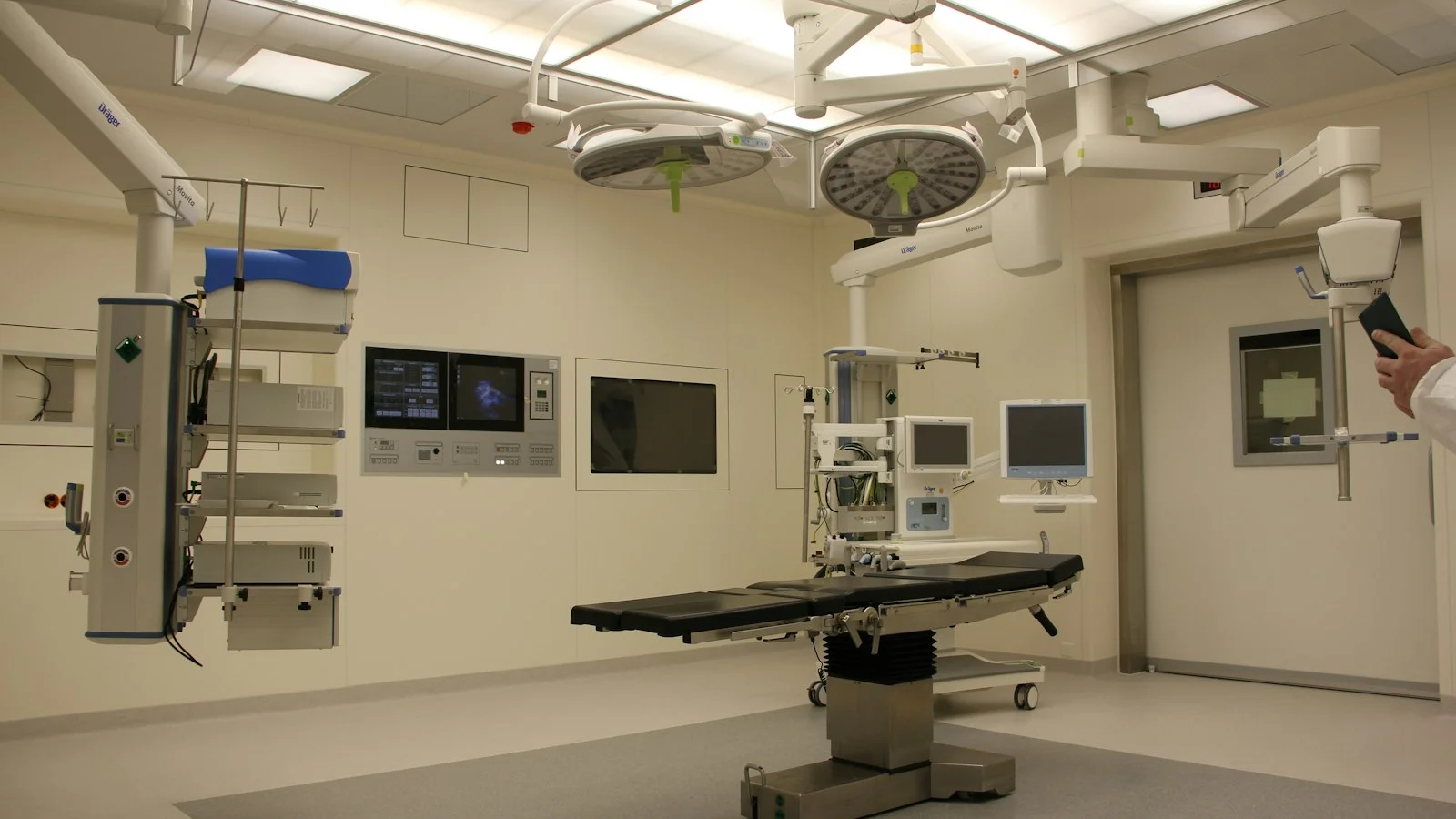
Medical-grade hard-shell chambers are rigid monoplace or multiplace cylinders constructed from seamless marine-grade aluminum, steel, or cast acrylic tubes measuring 1.25 inches thick. These pressure vessels are built and inspected under rigorous American Society of Mechanical Engineers (ASME) PVHO-1 (Pressure Vessels for Human Occupancy) engineering standards and NFPA-99 healthcare facility fire codes.
In a monoplace hard-shell chamber, the entire vessel is pressurized with 100% medical-grade liquid oxygen (LOX) evaporated to gas, or pressurized with clean compressed air while the patient breathes 100% $O_2$ via a sealed bibs-and-dump mask system. These systems routinely operate at 2.0 to 2.4 ATA (14.7 to 20.6 psi gauge), delivering true pharmaceutical-grade hyperoxia capable of achieving the complete spectrum of medical and cellular longevity endpoints.
Cellular Cascades: The Hyperoxic-Hypoxic Paradox and Angiogenesis
In modern longevity medicine, the biological brilliance of 2.0 ATA HBOT lies not just in high oxygen delivery during the session, but in the physiological reaction that occurs immediately after the session concludes—a phenomenon known as the Hyperoxic-Hypoxic Paradox (HHP).
When an individual spends 90 minutes inside a 2.0 ATA chamber breathing pure oxygen, cellular tissues are saturated with dissolved oxygen. Hypoxia-inducible factors (specifically HIF-1alpha) are completely suppressed. However, when the patient steps out of the chamber back into ambient room air, cellular oxygen levels decline rapidly relative to the hyperbaric peak. Although absolute tissue oxygenation remains normal, the cell’s molecular sensors interpret this sharp relative drop as an acute hypoxic state.
This relative hypoxia trigger induces a dramatic cellular rebound: stabilization of HIF-1alpha, nuclear translocation, and massive transcriptional upregulation of vascular endothelial growth factor (VEGF), basic fibroblast growth factor (bFGF), and stromal cell-derived factor 1 (SDF-1). This triggers robust neovascularization and capillary angiogenesis in previously ischemic or hypoperfused tissues (such as the aging brain, injured myocardium, and erectile tissue). Simultaneously, bone marrow nitric oxide synthase (eNOS) is phosphorylated, releasing high concentrations of CD34+ pluripotent stem cells into circulation to accelerate full-body tissue remodeling.
Mild hyperbaric soft chambers (1.3 ATA) are wonderful, relaxing tools for general wellness, reducing acute muscle soreness, and mild neuroinflammation. But let us be scientifically rigorous: 1.3 ATA soft chambers cannot replicate the deep clinical physiology of 2.0 ATA hard shells. If your goal is true capillary angiogenesis, stem cell mobilization, or reversing cerebral ischemic hypoperfusion, you must cross the 1.8 to 2.0 ATA pressure threshold in a certified rigid vessel.
Oxygen Toxicity Mechanisms: The Paul Bert and Lorrain Smith Effects
While hyperbaric oxygen therapy delivers profound bioenergetic and regenerative benefits, hyperoxia is an active pharmacological agent subject to strict dose-response toxicology. In diving medicine and hyperbaric physiology, excessive oxygen partial pressure triggers two distinct forms of oxygen toxicity:
- Central Nervous System Toxicity (The Paul Bert Effect): When oxygen partial pressure ($PO_2$) exceeds 1.4 to 1.6 ATA for prolonged periods, massive oxidative flux overwhelms central cerebral antioxidant defenses (glutathione peroxidase, catalase, and superoxide dismutase). Excessive generation of reactive oxygen species (ROS) in brain parenchyma causes acute neuroexcitation, visual tunnel vision, muscular twitching, and grand mal epileptic seizures. This toxicity risk is why clinical hard-shell chambers operating at 2.0 to 2.4 ATA enforce strict 90-minute treatment limits and incorporate built-in 5-minute “air breaks” (switching the patient from 100% $O_2$ to ambient air every 20 minutes) to allow cellular antioxidant pools to regenerate.
- Pulmonary Oxygen Toxicity (The Lorrain Smith Effect): Occurs with prolonged exposure to moderate hyperoxia (greater than 0.5 ATA $PO_2$ for 12 to 24+ continuous hours). Hyperoxic damage to alveolar capillary endothelial cells causes alveolar-capillary membrane swelling, pulmonary edema, decreased vital capacity, and retrosternal burning pain.
Because consumer mild hyperbaric soft chambers operating at 1.3 ATA on 95% oxygen generate an alveolar oxygen partial pressure of only ~1.2 ATA ($1.3 imes 0.95$), they remain well below the threshold for central nervous system oxygen toxicity. This wide safety margin makes mild soft chambers exceptionally safe for unattended home use, albeit at the trade-off of lacking the deep clinical potency of 2.0 ATA medical hard-shell chambers.
ASME-PVHO Pressure Vessel Inspection and NFPA-99 Fire Codes
The engineering demarcation between consumer wellness devices and clinical medical devices is codified in municipal building and fire safety regulations. Operating an ASME-PVHO-1 certified hard-shell hyperbaric chamber requires specialized institutional infrastructure:
Under National Fire Protection Association (NFPA) 99 healthcare facility guidelines, a Class A (multiplace) or Class B (monoplace) 100% oxygen chamber requires dedicated fire suppression deluge systems, explosion-proof electrical isolation, non-static conductive grounding flooring, and oil-free medical-grade gas piping. Inside the chamber, all electronics, battery-powered devices, synthetic nylon fabrics, and hydrocarbon-based petroleum ointments are strictly prohibited due to catastrophic fire hazards in an oxygen-enriched environment. Consumer soft chambers (Class C wellness devices) utilize compressed ambient air bladders with external oxygen concentrators, circumventing strict hospital NFPA requirements while delivering accessible, low-risk home recovery.
Clinical Protocol Design: Session Frequency and Angiogenic Windows
To achieve lasting neurovascular remodeling and capillary angiogenesis, hyperbaric medicine relies on cumulative dosing schedules:
- Acute Sports Recovery & Concussion Triage: 5 to 10 sessions at 1.5 to 2.0 ATA administered within 72 hours of injury to reduce cerebral edema and restore ATP production in stunned penumbral neurons.
- Cellular Longevity & Vascular Neogenesis Protocol: 40 to 60 consecutive daily sessions (60–90 minutes at 2.0 ATA, 5 days per week for 8–12 weeks). Pioneered in human clinical trials by the Sagol Center for Hyperbaric Medicine, this sustained regimen triggers durable cognitive improvements, lengthens peripheral blood mononuclear cell telomeres, and reduces senescent cell burdens.
Microvascular Rheology: Red Blood Cell Deformability and Plasma Viscosity
To fully appreciate the microvascular mechanics of hyperbaric medicine, one must examine the fluid rheology of human blood. In healthy microcirculation, capillaries measure approximately 5 to 7 micrometers in diameter. Erythrocytes (red blood cells) have a resting biconcave disc diameter of approximately 7.5 to 8.2 micrometers. Therefore, for a red blood cell to traverse a terminal capillary and deliver oxygen to adjacent parenchymal cells, it must physically deform and fold upon itself.
In states of chronic inflammation, microvascular ischemia, traumatic brain injury, or severe peripheral artery disease, red blood cells lose their membrane flexibility and become rigid. Furthermore, elevated fibrinogen levels cause erythrocytes to aggregate into dense, sluggish stacks known as ‘rouleaux formations’. When rigid red blood cells encounter constricted or damaged capillary beds, they become mechanically trapped, creating downstream micro-ischemic infarcts and localized tissue hypoxia.
Under 2.0 ATA hyperbaric oxygenation, the physics of microvascular transport changes completely. Because oxygen dissolves directly into liquid blood plasma (which is over 90% water), the transport of oxygen is entirely liberated from red blood cell physical passage. Fluid plasma, possessing a viscosity orders of magnitude lower than cellular blood, effortlessly slips through constricted, damaged, or partially occluded micro-vessels that completely exclude red blood cells. By delivering rich dissolved oxygen directly to starving tissues, hyperbaric plasma breaks the ischemic cycle, attenuates inflammatory edema, and restores local cellular ATP production long before mechanical capillary remodeling is completed.
Contraindications and Absolute Safety Clearances
While hyperbaric oxygen therapy offers unparalleled cellular regenerative capabilities, patient screening must be uncompromising. Absolute and relative contraindications must be ruled out by qualified medical oversight:
- Untreated Pneumothorax: The single absolute contraindication to hyperbaric therapy. Boyle’s Law dictates that gas volume is inversely proportional to pressure ($P_1V_1 = P_2V_2$). During decompression, trapped air in an untreated pneumothorax would expand rapidly, causing catastrophic tension pneumothorax and fatal cardiovascular collapse.
- Bleomycin Chemotherapy Exposure: Prior administration of the chemotherapeutic agent bleomycin creates severe risk of fatal hyperoxic pulmonary fibrosis, even decades after cancer treatment, due to synergistic free-radical pulmonary damage.
- Eustachian Tube Dysfunction and Middle Ear Barotrauma: As chamber pressure increases during compression (descent), patients must equalize pressure across the tympanic membrane via Valsalva or Toynbee maneuvers. Inability to equalize can cause middle ear barotrauma, tympanic membrane rupture, or hemotympanum, frequently requiring prophylactic tympanostomy tubes for patients undergoing multi-week clinical protocols.
Frequently Asked Questions About Hyperbaric Oxygen Therapy Chambers
What is the difference between mild hyperbaric (mHBOT) and clinical HBOT?
Mild HBOT uses flexible soft-sided chambers limited by zipper/seam strength to 1.3 to 1.4 ATA, delivering ~95% oxygen via mask. Clinical HBOT uses ASME-PVHO certified rigid steel/acrylic hard shells sustaining 2.0 to 3.0 ATA pure oxygen.
How does Henry’s Law explain hyperbaric oxygen therapy?
Henry’s Law dictates that dissolved gas in a liquid is proportional to its partial pressure. At 2.0 ATA on 100% oxygen, oxygen dissolves directly into blood plasma at concentrations up to 14x normal, bypassing red blood cell hemoglobin limits entirely.
Can a 1.3 ATA soft chamber trigger capillary angiogenesis?
Clinical studies show robust capillary angiogenesis and sustained CD34+ stem cell mobilization require the hyperoxic-hypoxic paradox achieved at pressures of 1.8 to 2.0 ATA. Soft 1.3 ATA chambers provide anti-inflammatory and wellness benefits, but lack the pressure for deep angiogenesis.