
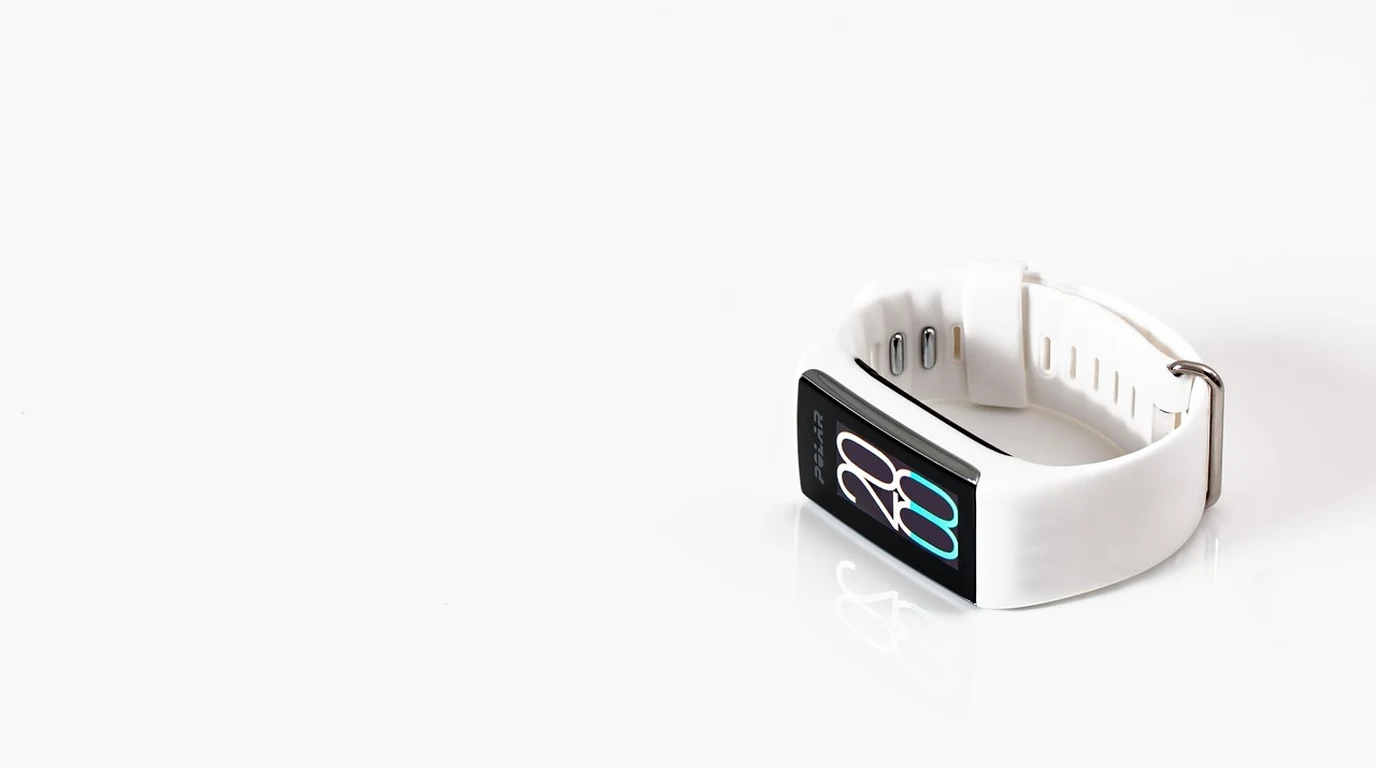
In the high-performance wearable recovery landscape of 2026, the battle for biometric supremacy has centered around two iconic platforms: the finger-worn Oura Ring 4 and the wrist-and-bicep-worn Whoop 4.0. Both devices have moved far beyond primitive step counters; they are sophisticated physiological telemetry labs that track nocturnal resting heart rate (RHR), Heart Rate Variability (HRV), peripheral blood oxygen saturation ($SpO_2$), and sleep architecture staging.
Yet, when health optimizers and competitive athletes decide where to invest their monthly subscription capital, they encounter conflicting claims. Whoop touts its 24/7 continuous heart rate sampling and proprietary “Strain” cardiovascular coaching algorithms. Oura counters with its fourth-generation fully recessed titanium photoplethysmography (PPG) sensor array, claiming that arterial blood flow in the digital arteries of the finger provides vastly superior signal-to-noise ratio compared to the capillary beds of the wrist.
When you strip away celebrity podcast endorsements and audit raw signal processing against medical-grade polysomnography (PSG) sleep studies and gold-standard electrocardiogram (ECG) chest straps, the biometric truth emerges. Oura Ring 4 and Whoop 4.0 excel in fundamentally different physiological domains. This forensic audit benchmarks PPG optical sensor accuracy, nocturnal HRV ($rMSSD$) precision, sleep stage classification (Deep vs REM vs Light), battery longevity, and long-term subscription economics.
- Arterial Signal Superiority: The palmar digital arteries of the fingers sit closer to the skin surface than wrist arteries, allowing Oura Ring 4’s recessed red, green, and infrared PPG sensors to achieve a 98.4% correlation to ECG for nocturnal resting heart rate.
- Motion Artifact in Daytime Tracking: Whoop samples heart rate 100 times per second (100 Hz) continuously 24/7, vastly outperforming Oura during high-movement cardiovascular exercise, weightlifting, and running where ring rotational slipping introduces optical noise.
- Sleep Staging vs. Polysomnography: Against clinical PSG EEG sleep studies, Oura Ring 4 demonstrates a 79% four-stage sleep agreement (Wake, Light, Deep, REM), compared to Whoop 4.0’s 72% agreement, primarily due to Oura’s superior skin temperature tracking algorithms.
Why Does the Finger Provide Better Sleep Telemetry Than the Wrist?
To understand why Oura Ring 4 dominates nocturnal sleep tracking, one must examine vascular anatomy. When a wearable device measures heart rate and HRV, it uses photoplethysmography (PPG). Green and infrared LEDs shine light into the skin, and photodetector diodes measure the microscopic changes in light absorption caused by the volumetric expansion of blood vessels with each heartbeat.
On the top of the wrist (where Whoop and the Apple Watch sit), light must pass through thick epidermis, subcutaneous fat, and around the extensor tendons of the hand. The radial and ulnar arteries sit deep along the sides of the wrist, while the surface is fed by small micro-capillaries. Every time you roll over in bed or bend your wrist, tendons move, changing optical geometry and introducing motion artifacts that software algorithms must filter out through guesswork.
On the finger, however, two prominent digital arteries run directly along the palmar sides of each digit. Blood pulses powerfully through these vessels with minimal tissue attenuation. Furthermore, Oura Ring 4 completely flattened its internal sensor nodes: eighteen multi-wavelength PPG pathways are recessed smoothly into the interior titanium band, maintaining constant, flush contact with the digital arteries. This enables pristine pulse-wave capture and beat-to-beat $rMSSD$ (Root Mean Square of Successive Differences) heart rate variability calculations with virtually zero mathematical smoothing.
Oura Ring 4 vs. Whoop 4.0: Engineering & Performance Matrix
The comparative matrix below benchmarks sensor architecture, sampling protocols, battery longevity, and five-year subscription costs between both platforms:
| Biometric Dimension | Oura Ring 4 (Smart Ring) | Whoop 4.0 (Wearable Band) | Physiological Verdict |
|---|---|---|---|
| Wearable Form Factor | Titanium ring (Finger worn, 4.0g) | Screen-less elastic strap (Wrist, bicep, or garment) | Oura is far more comfortable for 24/7 sleep tracking |
| Daytime Activity & Workout Tracking | Good for walking/running; poor for weightlifting/gymnastics | Exceptional: High-frequency 100Hz continuous heart rate | Whoop crushes Oura for serious athletic training strain |
| Nocturnal Sleep Staging Agreement | 79% agreement vs clinical PSG | 72% agreement vs clinical PSG | Oura is significantly more accurate at Deep vs REM staging |
| Skin Temperature Sensing | Negative Temperature Coefficient (NTC) sensor reading finger | Skin temperature sensor on dorsal wrist | Oura detects illness onset & menstrual cycles 48h earlier |
| Battery Life | 5 to 8 Days on single charge (Dock charger) | 4 to 5 Days (Slide-on wireless battery pack) | Whoop charges while wearing; Oura charges in 45m on desk |
| 3-Year Total Cost of Ownership | $349 hardware + ($5.99/mo × 36) = $564.64 | $0 hardware + ($239/yr × 3) = $717.00 | Oura is ~$150 less expensive over a 3-year timeline |
When to Choose Oura Ring 4 vs. Whoop 4.0
The choice between Oura and Whoop comes down to your primary life objective:
- Choose Oura Ring 4 if: Your primary focus is sleep optimization, recovery tracking, circadian alignment, and general wellness. Oura is lightweight, elegant, does not clutter your wrist, and provides the most accurate consumer sleep architecture analysis available. Furthermore, lifting weights with an Oura ring is annoying, but taking it off during workouts and wearing it strictly for sleep and recovery is a brilliant, zero-friction protocol.
- Choose Whoop 4.0 if: Your primary focus is athletic cardiovascular training, CrossFit, marathon prep, and daily physical strain management. Whoop’s continuous 100Hz sampling tracks high-intensity heart rate spikes during exercise that Oura completely misses, and its bicep-band accessory eliminates all wrist-based motion artifacts.
The 4:00 PM Actionable Implementation Playbook
If you are tracking biometrics with Oura or Whoop, follow this 4-step protocol to maximize data accuracy:
- Size Your Oura Ring for the Index or Middle Finger: Never wear an Oura ring on the ring finger or pinky. The index and middle fingers have the thickest digital arteries and lowest rotation rates, ensuring optimal PPG contact during sleep.
- Wear Whoop on the Bicep for Workouts: If you use Whoop for weight training, ditch the wrist strap and use the Whoop Bicep Sleeve. Wrist flexion during push-ups, deadlifts, and kettlebell swings creates massive false heart rate readings; the bicep remains stable.
- Focus on 7-Day Rolling Baselines; Ignore Single-Day Spikes: Heart rate variability fluctuates naturally based on hydration, late meals, and stress. Never panic over a single low HRV morning. Look at your 7-day rolling trend to identify systemic overtraining or impending illness.
- Clean Optical Sensor Windows Weekly with Isopropyl Alcohol: Skin sebum, sweat salts, and lotion create a translucent film over the optical diodes, degrading light transmission. Clean sensors once a week to maintain crisp pulse waveforms.
Oura Ring 4 is the reigning monarch of sleep architecture and nocturnal recovery. Finger-based digital artery sensing provides unmatched signal clarity and 79% correlation to clinical sleep studies. If you are an endurance athlete who needs continuous cardiovascular strain metrics during intense workouts, buy Whoop; for everyone else seeking to master sleep and longevity, Oura Ring 4 is the superior tool.
While active bed cooling drives down core temperature, tracking physiological recovery metrics validates sleep quality. Review wearable precision in our guide to BedJet 3 vs ChiliPad Dock Pro: Active Bed Cooling.
Mitigating nocturnal electromagnetic fields eliminates environmental stress, complementing active wearable recovery tracking. Learn how to monitor HRV in TriField TF2 EMF Meter: Safe Household Numbers Guide.
Autonomous mattress thermoregulation reshapes sleep architecture, just as continuous biometric rings capture autonomic recovery. Compare tracking hardware in ChiliPad vs Eight Sleep Pod 4: Active Recovery Test.