
In our modern high-velocity work and living environments, chronic activation of the sympathetic nervous system (“fight-or-flight”) is an epidemic. Prolonged psychological stressors, relentless digital notifications, and high-intensity workloads keep the autonomic nervous system locked in continuous sympathetic dominance, blunting Heart Rate Variability (HRV), degrading sleep architecture, and elevating circulating cortisol.
To counteract this, the biohacking and neurotechnology communities have increasingly turned to non-invasive neuromodulation devices designed to stimulate the Vagus Nerve—the tenth cranial nerve responsible for governing 75% of the body’s parasympathetic (“rest-and-digest”) tone. By activating the vagal pathway, practitioners can trigger a rapid reduction in heart rate, downregulate systemic inflammation, and restore autonomic nervous system balance.
In the consumer wearable market, two devices dominate consumer interest, yet they utilize fundamentally opposing physiological mechanisms: the Pulsetto neck wearable (transcutaneous Vagus Nerve Stimulation / tVNS) and the Apollo Neuro wrist/ankle wearable (vibroacoustic sensory touch neuromodulation). While both claim to dramatically boost HRV, reduce stress, and improve deep sleep, their underlying neuroscience, physical sensation, and real-world clinical efficacy are radically different.
How Do Non-Invasive Vagus Nerve Devices Stimulate the Brain?
Pulsetto delivers direct transcutaneous electrical pulses (tVNS) to the cervical vagus nerve in the neck, triggering direct electrical signal propagation to the brainstem (nucleus tractus solitarius). Apollo Neuro does not stimulate the vagus nerve directly; it uses sub-audible low-frequency sound vibrations on the wrist or ankle to signal safety to the brain via cutaneous mechanoreceptors.
To understand the difference, one must examine the anatomy of neurostimulation. The vagus nerve originates in the brainstem (specifically the nucleus tractus solitarius or NTS) and traverses down both sides of the neck within the carotid sheath before branching out to innervate the heart, lungs, and digestive tract.
Pulsetto operates via direct transcutaneous electrical nerve stimulation (tVNS). You apply conductive gel to your neck and slip the lightweight collar around your cervical spine. Pulsetto’s silver electrodes sit directly over the carotid triangle. When activated, the device emits targeted micro-electrical currents that penetrate the skin and depolarize the afferent fibers of the cervical vagus nerve. These electrical action potentials travel directly upstream into the brainstem, triggering an immediate, measurable increase in parasympathetic acetylcholine release and dampening sympathetic locus coeruleus firing within 4 to 6 minutes.
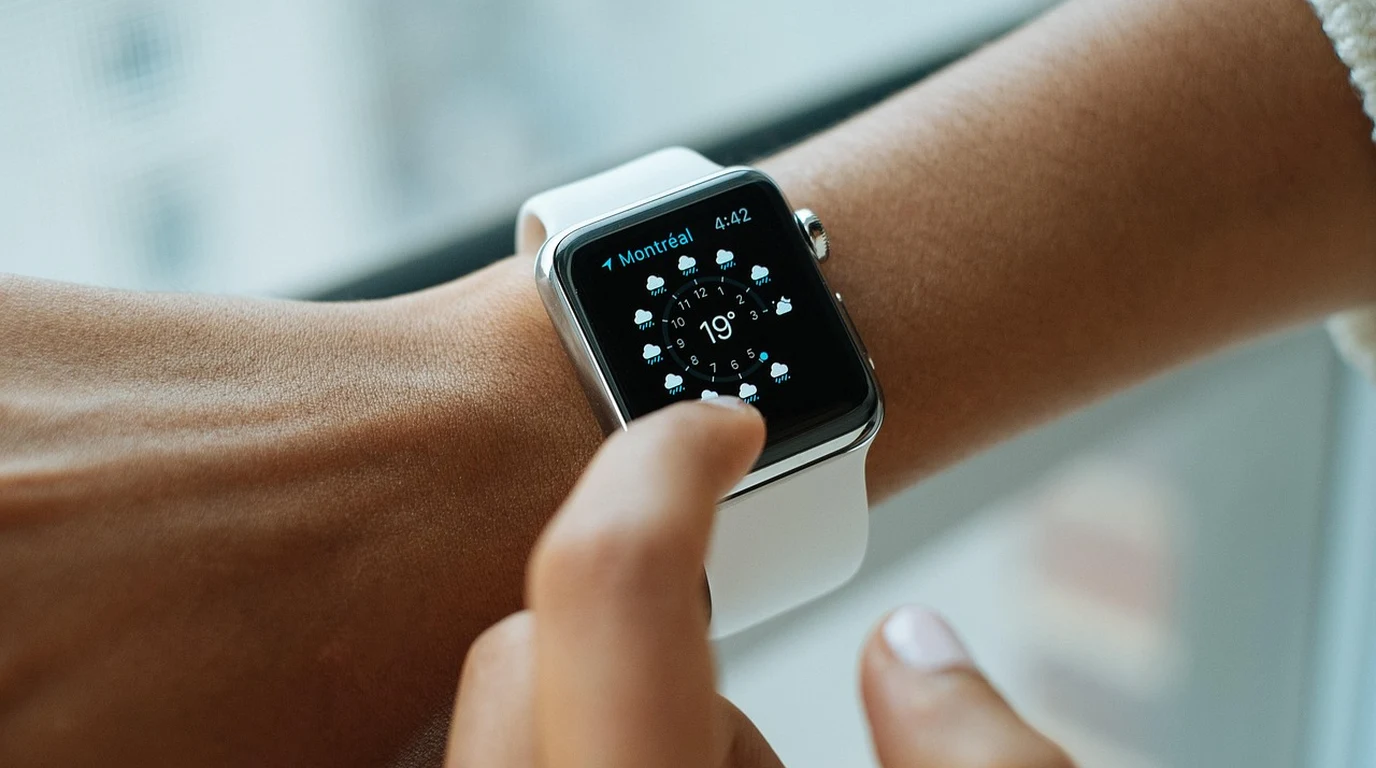
Apollo Neuro, in contrast, takes a completely different sensory route. Apollo is a wearable band worn on the wrist, ankle, or clipped to clothing. It does not emit electrical currents. Instead, it utilizes a proprietary motorized actuator that generates low-frequency vibroacoustic sound waves (gentle vibrations). These vibrations stimulate Pacinian corpuscles and Merkel disc mechanoreceptors in the skin. The skin’s sensory nerves carry these soothing vibrational patterns through the spinal cord up to the amygdala and insular cortex—the emotional and threat-detection centers of the brain. By mimicking the calming biological frequency of human physical touch and maternal rocking, Apollo signals environmental safety to the brain, indirectly allowing the parasympathetic nervous system to activate.
Pulsetto vs Apollo Neuro: Clinical Neurotechnology Matrix
The following comparative table breaks down the technical, operational, and biometric characteristics across both neuromodulation devices:
| Device Metric | Pulsetto (tVNS Neck Collar) | Apollo Neuro (Vibroacoustic Band) | Biohack & HRV Impact |
|---|---|---|---|
| Stimulation Mechanism | Direct Cervical Electrical tVNS | Vibroacoustic Cutaneous Waves | Pulsetto stimulates nerve directly; Apollo acts via touch receptors. |
| Session Protocol & Usage | 4 – 9 Minute Targeted Sessions | Continuous All-Day / All-Night Wear | Pulsetto is a focused routine; Apollo is passive background wear. |
| Physical Sensation | Prickly tingling on neck skin | Gentle, soothing rhythmic vibration | Apollo is significantly more comfortable for sensitive users. |
| Consumables Required | Requires Conductive Electrode Gel | Zero Consumables / Zero Gel | Pulsetto requires messy gel application and tube re-orders. |
| Acute HRV Response Speed | Immediate (Visible within 5 minutes) | Gradual (Accumulates over 30–60 mins) | Pulsetto is superior for aborting acute panic/stress spikes. |
| Sleep Tracking Integration | Pre-bed routine only (Cannot wear to sleep) | Worn continuously in bed while sleeping | Apollo actively vibrates to rescue night-waking episodes. |
Conductive Gel vs Passive Wear: Real-World Usability
When choosing between these two biohacking devices, friction and daily compliance are the deciding factors. Pulsetto delivers a much more direct, potent electrical stimulus that produces acute, measurable drops in heart rate within minutes. However, because it requires applying a blob of cold conductive electrode gel to both sides of your neck, putting on a collar, sitting still for 6 minutes, and then wiping the sticky gel off your neck with a towel, many users find the routine cumbersome. Over time, friction wins, and the device ends up sitting in a bathroom drawer.
Apollo Neuro requires zero gel and zero skin prep. You strap it to your wrist or ankle like a sports watch, tap a button on the side to start a 30-minute “Calm” or “Focus” program, and go about your workday, meeting clients, or falling asleep. Because the vibrations are passive and silent, compliance is near 100%. Furthermore, Apollo’s “SmartVibe” sleep feature uses onboard accelerometers to detect when you stir awake at 3:00 AM, automatically triggering soothing vibrations to put you back to sleep without touching your phone.
The 4:00 PM Actionable Vagal Stimulation Protocol
To optimize parasympathetic tone and objectively track your nervous system’s response starting today, follow this clinical framework:
- Capture Baseline Morning HRV Before Starting: Before introducing any vagal neuromodulation device, track your baseline morning Root Mean Square of Successive Differences (rMSSD) using a medical-grade ECG chest strap (like Polar H10) or Oura Ring for seven consecutive days.
- For Pulsetto: Execute the 6-Minute Pre-Bed Protocol: Apply a generous dime-sized dab of water-based conductive gel to both silver electrodes. Place the collar snugly over the carotid triangle. Select the Sleep or Anxiety program at Intensity Level 3 to 5 (you should feel a distinct rhythmic tingling without muscle twitching or jaw clenching). Sit quietly, close your eyes, and practice 4-second box breathing for 6 minutes.
- For Apollo Neuro: Deploy Contextual Sensory Modes: Program Apollo throughout your daily circadian cycle:
- 9:00 AM – 12:00 PM: “Focus & Clarity” mode (gentle alerting frequency for cognitive work).
- 3:00 PM – 5:00 PM: “Recover & Rebalance” mode (soothing post-work stress downshift).
- 10:00 PM – 6:00 AM: “Fall Asleep” mode strapped to your ankle or inner wrist.
- Re-Evaluate 30-Day Biomarker Impact: At Day 30, re-evaluate your average weekly HRV. Successful parasympathetic tone restoration should reflect a 10% to 25% increase in rMSSD alongside improved subjective sleep latency (falling asleep under 15 minutes).
Sleep staging biometric recovery directly reflects vagal tone and parasympathetic balance. Study our neurotech analysis in Oura Ring Gen 3 vs Whoop 4.0: Sleep Staging Accuracy.