
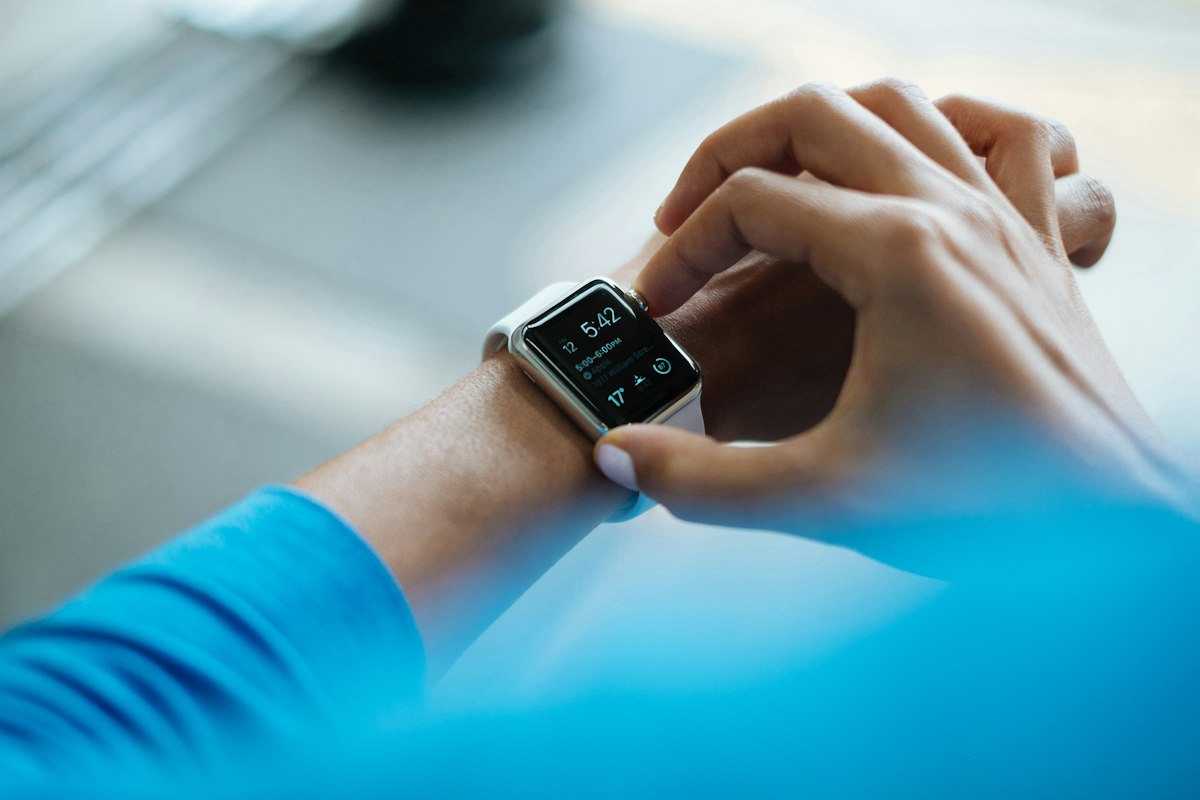
Comparing WHOOP 4.0 and Oura Ring Gen 3 reveals fundamentally distinct optical sensor architectures. WHOOP excels at continuous 24/7 cardiovascular strain tracking and high-frequency PPG sampling, while Oura’s finger-based arteriolar sensor placement provides superior signal-to-noise ratio for nocturnal HRV and sleep stage classification.
Where Is Optical PPG More Accurate: Finger vs Wrist?
Wearable physiological monitoring has transitioned from counting arbitrary daily footsteps to tracking autonomic nervous system balance. At the core of modern biohacking protocols sits Heart Rate Variability (HRV)—the millisecond-level variation between consecutive R-R intervals of the heartbeat. HRV serves as a direct proxy for parasympathetic nervous system tone via the vagus nerve. High HRV relative to your baseline indicates adequate cardiovascular recovery and metabolic readiness, while suppressed HRV signals systemic inflammation, overtraining, illness, or sleep deprivation.
Two wearable ecosystems dominate the high-performance recovery landscape: the WHOOP 4.0 wrist/body strap and the Oura Ring Gen 3 smart ring. While both devices leverage photoplethysmography (PPG) to measure blood volume pulse changes, their form factors, sensor wavelengths, and mathematical algorithms diverge significantly.
| Biomarker Metric | WHOOP 4.0 (Wrist / Bicep) | Oura Ring Gen 3 (Finger) | Physiological Interpretation |
|---|---|---|---|
| HRV Sampling Window | Slow-Wave Sleep (Deep Sleep only) | All-Night Rolling Average + SWS | Oura maps nocturnal recovery curves; WHOOP isolates deep rest. |
| Optical Sensor LEDs | 5 LEDs (Green, Red, Infrared) | Green + Infrared PPG Sensors | Infrared light penetrates deeper into capillary tissue at night. |
| Daytime Activity Tracking | Continuous 24/7 Heart Rate (100 Hz) | Periodic Heart Rate (Every 5 mins) | WHOOP accurately calculates cardiovascular strain and workout load. |
| Temperature Sensing | Skin surface thermistor | Negative Temperature Coefficient (NTC) | Oura detects 0.1°C temperature shifts for illness and cycle tracking. |
Optical PPG Sensor Physics: Skin Perfusion and Motion Artifacts
Photoplethysmography operates by illuminating capillary bed microvasculature with specific wavelengths of light and measuring the amount of backscattered light reflected onto a photodiode. During cardiac systole, blood surges into the tissue, absorbing more light; during diastole, blood volume decreases, allowing more light to reflect.
The wrist presents formidable anatomical challenges for optical PPG. The radial and ulnar arteries are buried beneath dense layers of muscle, tendon, and adipose tissue. During athletic movements—such as kettlebell swings, rowing, or weightlifting—muscle contractions alter skin tension and shift the strap position, introducing massive motion artifacts. WHOOP counters this by utilizing high-frequency green LEDs (which are absorbed well by oxygenated blood) and recommending the bicep band, which eliminates wrist flex motion.
Oura’s finger placement circumvents these optical barriers. The palmar digital arteries run just millimeters beneath thin epidermal tissue, providing exceptionally clean pulsatile waveforms. By utilizing infrared light at night (which penetrates deeper without disturbing sleep), Oura captures laboratory-grade pulse wave velocity and pulse transit times, achieving near-polysomnography correlation for heart rate and HRV.
For individuals optimizing health metrics, cross-referencing our hardware deep-dives on Continuous Glucose Monitors for Non-Diabetics and Smart Ring Sensor Architecture highlights how biometric hardware maps systemic vitality.
HRV Calculation Methodologies: RMSSD vs SDNN
Both WHOOP and Oura report Heart Rate Variability in milliseconds, but understanding the underlying mathematical formulas prevents erroneous interpretation. The primary metric used by both platforms is RMSSD (Root Mean Square of Successive Differences):
$$\text{RMSSD} = \sqrt{\frac{1}{N-1} \sum_{i=1}^{N-1} (RR_{i+1} – RR_i)^2}$$
RMSSD specifically reflects short-term, beat-to-beat variations mediated almost exclusively by parasympathetic (vagal) innervation of the sinoatrial node. However, their timing windows differ. WHOOP calculates your daily recovery HRV strictly during your final cycle of Slow-Wave Sleep (deep sleep), theorizing that deep sleep isolates the nervous system from emotional dreams or body tossing. Oura calculates a rolling average across the entire sleep cycle, allowing you to observe whether your HRV rises steadily throughout the night (optimal recovery) or remains suppressed until 4:00 AM (indicating late eating, alcohol consumption, or elevated cortisol).
Form Factor Durability and Everyday Compliance
The ultimate efficacy of any health wearable hinges on user compliance. The best sensor is the one you actually wear 24/7. Oura’s titanium ring form factor is exceptionally unobtrusive for sleep and formal business environments, but becomes a liability in the gym during barbell deadlifts or pull-ups, where knurling scratches the ring and causes finger pinch (or risk of ring avulsion).
WHOOP’s strap form factor excels in intense athletic environments. With zero screen to crack and the ability to transfer between wrist straps, bicep sleeves, and integrated compression garments, WHOOP survives rough Brazilian Jiu-Jitsu sparring, swimming, and heavy barbell complexes effortlessly. The slide-on battery pack also allows recharging on-wrist without missing a single second of cardiovascular data.
Architectural Takeaways:
- Signal Integrity: Oura delivers cleaner nocturnal HRV signals via digital arteries; WHOOP dominates 24/7 athletic strain.
- Metric Alignment: WHOOP measures SWS deep sleep HRV; Oura tracks all-night recovery trajectories.
- Form Factor Optimization: Wear WHOOP on the bicep for heavy training; utilize Oura for discrete, screen-free lifestyle tracking.
Frequently Asked Questions
Can WHOOP or Oura detect illness before clinical symptoms appear?
Yes. Both devices frequently register illness 24 to 48 hours before subjective symptoms manifest. The earliest biometric warning sign is a spike in nocturnal skin temperature (+0.5°C to +1.5°C) coupled with a sharp drop in HRV (30% to 50% below baseline) and elevated resting heart rate.
Why does alcohol consumption crush nocturnal HRV scores?
Alcohol is a central nervous system depressant that disrupts autonomic balance during liver metabolism. As alcohol is metabolized into toxic acetaldehyde, sympathetic fight-or-flight activity surges, elevating heart rate by 10–20 BPM and collapsing HRV throughout the entire night.
Is a bicep band really more accurate than a wrist strap for WHOOP?
Yes. Clinical validation studies demonstrate that moving the optical sensor from the wrist to the upper bicep reduces movement artifacts by over 80% during running, cycling, and weight training, significantly improving heart rate tracking accuracy.
Respiratory Rate: The Canary in the Coal Mine for Viral Illness
While Heart Rate Variability captures autonomic nervous system balance, continuous nocturnal respiratory rate monitoring serves as an extraordinarily sensitive early indicator of respiratory tract infections and systemic inflammation. During healthy sleep, nocturnal respiratory rate is remarkably constant, typically fluctuating by less than 0.5 to 1.0 breaths per minute from night to night.
Both WHOOP and Oura calculate nocturnal respiratory rate by extracting respiratory sinus arrhythmia (RSA) from the raw PPG pulse waveform. When the human body contracts a respiratory infection (such as influenza, COVID-19, or acute bronchitis), alveolar gas exchange efficiency decreases, forcing the autonomic nervous system to elevate respiratory rate. A nocturnal increase of just 1.5 to 2.5 breaths per minute above your 30-day baseline almost invariably indicates that your immune system is mounting an acute defense—frequently appearing 24 hours before fever or cough symptoms emerge.
Circadian Alignment: Chronotype Classification and Sleep Latency
Beyond isolated metrics, both platforms analyze your underlying circadian biological rhythm. Oura calculates chronotype profiles (Morning Lark, Early Bird, Evening Chronotype) based on long-term nocturnal temperature troughs, recommending individualized sleep windows aligned with natural biological melatonin rhythms. Falling asleep within your optimal biological window shortens sleep latency to the healthy 10-to-20-minute range.
Conversely, forcing yourself to sleep outside your chronotype window—or experiencing social jetlag where weekend sleep schedules drift by 3+ hours—induces circadian misalignment. Even if total sleep time reaches 8 hours, circadian desynchrony impairs glucose tolerance, blunts morning cortisol awakening responses (CAR), and reduces cognitive reaction times.
For deeper physical systems analysis and hardware testing, read our clinical breakdown on Cold Plunge Water Chillers: 0.8HP vs 1.5HP Compressor Test.