
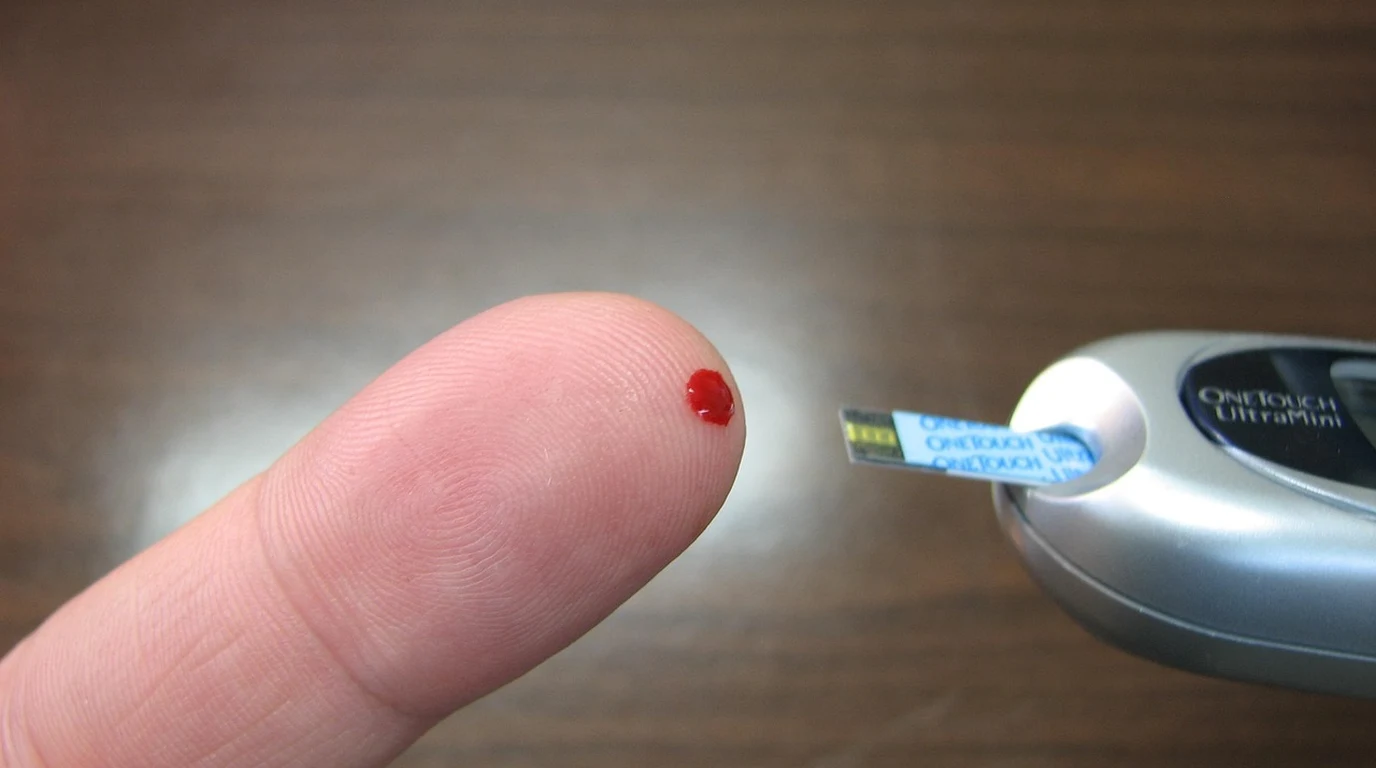
If you have spent any real time in nutritional ketosis, your fingertips probably look like a pincushion. I’ve been there—sitting at my desk at 4:00 PM, staring at a stack of $1.00 blood test strips, dreading the daily prick, and wondering if there is a cleaner, less invasive way to know whether my liver is actually churning out ketones. The promise of ketone breath meters has always been alluring: blow into a device, get an instant reading, and put an end to the endless recurring costs of blood diagnostic strips.
Yet, if you’ve ever tried a $30 Amazon breathalyzer, you’ve likely experienced the soul-crushing inconsistency of getting wildly different numbers three minutes apart, or having a single glass of wine register as deep ketosis. That frustration drives thousands of biohackers back to blood meters. But hardware engineering has evolved. The emergence of clinical-grade breath devices—most notably the Biosense meter—claims to bridge the gap, bringing lab-grade precision to non-invasive ketone monitoring.
The core question is simple: Can breath acetone measurement truly replace capillary blood beta-hydroxybutyrate testing, or is it an expensive sidegrade that compromises diagnostic accuracy?
Biosense clinical breath acetone meters accurately track nutritional ketosis with a strong 0.82–0.89 correlation to blood beta-hydroxybutyrate. While blood fingersticks measure real-time circulating energy, Biosense captures real-time hepatic fat burning without painful pricks or recurring $1.00 strip costs, breaking even within 4 to 6 months of daily testing.
What Is the Biochemical Difference Between Blood BHB and Breath Acetone?
To evaluate whether a breath meter can stand toe-to-toe with a fingerstick blood meter, we have to look past the hardware display and analyze the underlying human biochemistry. When you strip away the marketing claims, blood meters and breath meters are not measuring the same molecule, nor are they sampling the same metabolic compartment.
When hepatic beta-oxidation accelerates, your liver converts free fatty acids into acetoacetate (AcAc)—the primary parent ketone body. From there, the metabolic pathway splits into two distinct operational outputs:
- Beta-Hydroxybutyrate (BHB): Acetoacetate is enzymatically reduced into BHB via the enzyme 3-hydroxybutyrate dehydrogenase. BHB is released into systemic circulation, acting as the primary carrier of ketone energy delivered to the brain, heart, and skeletal muscle. Standard fingerstick blood meters (such as the Keto-Mojo or Precision Xtra) utilize an electrochemical reaction on test strips embedded with BHB-dehydrogenase to quantify circulating BHB concentrations in millimoles per liter (mmol/L).
- Breath Acetone (BrAce): A portion of acetoacetate does not convert to BHB. Instead, it undergoes spontaneous non-enzymatic decarboxylation, shedding a carbon dioxide molecule to form acetone. Acetone is a small, volatile organic compound (VOC). Because of its low molecular weight and high volatility, acetone diffuses rapidly across the alveolar-capillary membrane in your lungs, entering your exhaled breath. Breath meters measure this volatile acetone concentration in parts per million (ppm) or standardized metabolic units (such as Biosense’s ACE scale, where 1 ACE = 10 ppm).
Understanding this biochemical split resolves the most common point of confusion in ketone tracking: BHB is a measure of circulating energy substrate currently available to your tissues, while breath acetone is a measure of real-time hepatic ketone synthesis and fat oxidation dynamics.
Because acetoacetate decarboxylation and pulmonary diffusion occur continuously, breath acetone correlates exceptionally well with true rate-of-fat-burning. Clinical research examining the relationship between breath acetone and blood BHB reveals a Pearson correlation coefficient ($r$) ranging between 0.82 and 0.89 within standard nutritional ketosis ranges (0.5 to 3.0 mmol/L BHB). However, because BHB pools in the bloodstream while acetone is continuously cleared via exhalation, their temporal kinetics differ. Blood BHB reflects instantaneous systemic supply; breath acetone reflects the cumulative rate of hepatic acetoacetate production over the preceding 1 to 3 hours.
Why Do Cheap Breath Meters Fail While Biosense Works?
If breath acetone is such a reliable proxy for hepatic ketogenesis, why have breath meters earned a reputation for inaccuracy? The answer lies entirely in hardware engineering: sensor chemistry and respiratory sampling mechanics.
Low-cost consumer breathalyzers (typically priced between $20 and $60) rely on generic semiconductor metal-oxide sensors (such as MQ-135 sensors). These sensors are notorious for cross-reactivity. They cannot cleanly isolate acetone molecules from other volatile organic compounds found in human breath. If you drink kombucha, consume sugar alcohols, take hand sanitizer fumes into your lungs, or experience naturally occurring background hydrogen production from gut microbiome fermentation, a cheap semiconductor sensor will register a massive false-positive spike. Worse yet, their baseline calibration drifts within weeks of exposure to ambient humidity.
The Biosense device solves this diagnostic dilemma through two key architectural features:
- High-Precision Electrochemical Fuel-Cell Sensors: Rather than using a cheap semiconductor, Biosense utilizes a reaction chamber tuned specifically to the oxidation potential of acetone. This fuel-cell technology ignores ambient humidity, methane, and normal gut fermentation gases, yielding repeatable precision down to fractions of a part per million.
- Closed-Loop Alveolar Air Sampling: The first 150 milliliters of air exhaled from human lungs comes from the anatomical dead space—the trachea and main bronchi—where no blood-gas exchange occurs. If a breath meter samples this initial air mass, the measured acetone concentration approaches zero. Biosense integrates a dynamic pressure and flow-rate sensor. It requires the user to exhale at a controlled pressure for several seconds, automatically discarding the initial dead-space air and opening its sampling valve only when true end-tidal alveolar air (deep lung air directly exchanging with alveolar capillary blood) fills the sensor chamber.
Without deep lung alveolar sampling, breath ketone metrics are completely useless. This single engineering requirement is what separates consumer novelty gadgets from clinical-grade hardware.
How Does Biosense Compare to Blood Meters on TCO and Accuracy?
When deciding whether to integrate Biosense or rely exclusively on traditional capillary blood strips, biohackers and clinicians must weigh diagnostic nuance against long-term operational costs. Below is the direct technical breakdown comparing blood BHB meters, clinical-grade breath meters (Biosense), and budget semiconductor devices.
| Diagnostic Metric | Blood BHB Meters (e.g., Keto-Mojo) | Biosense (Clinical Breath Meter) | Generic Breath Analyzers | Biomedical Impact |
|---|---|---|---|---|
| Biomarker Measured | Beta-Hydroxybutyrate (BHB) | Breath Acetone (BrAce) | Total Volatile Organic Compounds | BHB = fuel in tank; BrAce = engine burn rate. |
| Sensor Technology | Enzymatic strip test (BHB-DH) | Electrochemical fuel-cell + flow sensor | Semiconductor (MQ-135 oxide) | Fuel cells prevent cross-reactivity and humidity drift. |
| Invasiveness & Pain | Capillary blood fingerstick (High) | Non-invasive exhalation (Zero) | Non-invasive exhalation (Zero) | Non-invasive devices enable 5–10 tests per day without friction. |
| Sampling Validation | Direct capillary micro-sample | Closed-loop end-tidal alveolar trap | Uncontrolled breath (dead space mixed) | End-tidal trapping is required for pulmonary accuracy. |
| Cost Per Test | $0.80 to $1.20 per strip | $0.00 (Unlimited tests) | $0.00 (Unlimited tests) | Blood testing costs grow linearly; Biosense has fixed capital cost. |
| 1-Year Total Cost (3x/day) | $900 – $1,300 (Device + strips) | ~$300 – $350 (One-time purchase) | $30 – $50 (Inaccurate data) | Biosense reaches total cost breakeven within 4 months of heavy testing. |
To assist in mapping your Biosense readings back to familiar blood BHB values, use the clinical conversion matrix below. Note that while correlation is high, individual metabolic rates and pulmonary clearance can cause minor variations.
| Metabolic State | Blood BHB (mmol/L) | Biosense ACE Score | Breath Acetone (BrAce PPM) | Clinical Interpretation |
|---|---|---|---|---|
| Non-Ketotic / Glycolytic | 0.0 – 0.4 mmol/L | 0 – 4 ACE | 0 – 4 ppm | Primary glucose reliance; minimal hepatic fatty acid oxidation. |
| Light Nutritional Ketosis | 0.5 – 0.9 mmol/L | 5 – 9 ACE | 5 – 9 ppm | Entry-level ketosis; initiated fat adaptation or post-fasting state. |
| Moderate / Optimal Ketosis | 1.0 – 1.7 mmol/L | 10 – 19 ACE | 10 – 19 ppm | Optimal zone for weight loss, metabolic flexibility, and stable energy. |
| Deep Ketosis | 1.8 – 3.0 mmol/L | 20 – 30 ACE | 20 – 30 ppm | Extended fasting or strict therapeutic ketogenic state. |
| Therapeutic / Starvation | > 3.0 mmol/L | > 30 ACE | > 30 ppm | High-intensity fasting or clinical oncology/epilepsy protocols. |
What Causes Discrepancies Between Breath and Blood Ketone Readings?
Even with high-end diagnostic hardware, biohackers often encounter edge cases where blood BHB and breath acetone temporarily diverge. Understanding these physiological traps prevents unwarranted panic or erroneous dietary corrections.
1. The Exogenous Ketone Paradox
If you consume exogenous ketone salts or monoesters (e.g., BHB esters), your blood fingerstick meter will immediately record a sharp rise—often spiking from 0.4 mmol/L up to 2.0 or 3.0 mmol/L within 30 minutes. However, your Biosense meter may show little to no change in breath acetone. Why?
Exogenous ketones flood the peripheral bloodstream with ready-to-use BHB, bypassing hepatic ketogenesis. Because the liver did not synthesize acetoacetate to create that BHB, no corresponding acetoacetate underwent spontaneous decarboxylation into acetone. Blood BHB reflects exogenous supply, whereas breath acetone accurately reveals that your endogenous fat oxidation remains low. In this scenario, the breath meter provides the truer picture of native fat loss.
2. Post-Exercise Ketone Clearance
During high-intensity resistance training or zone-2 cardio, active skeletal muscle rapidly takes up circulating blood BHB to power oxidative phosphorylation. As a result, blood BHB levels may transiently drop immediately post-workout. Conversely, intense fatty acid mobilization during exercise keeps hepatic acetoacetate production high, causing breath acetone levels to remain elevated or even rise. The blood strip shows a drop in circulating supply, while the breath meter reflects sustained hepatic rate-of-burn.
3. Ethanol and Fermented Food Cross-Reactivity
While Biosense uses advanced electrochemical fuel cells, consuming real alcohol (ethanol) presents a temporary physiological confounding factor. As the liver metabolizes ethanol into acetaldehyde and acetate, trace volatile vapors diffuse into exhaled breath for 2 to 6 hours post-ingestion. While Biosense filters out minor ambient noise, consuming alcohol can skew breath readings upwards. Always wait at least 8 to 12 hours after consuming alcoholic beverages before logging breath acetone data for metabolic tracking.
How to Implement a Precision Ketone Tracking Protocol in 4 Steps
If you want to eliminate the pain and recurring financial drain of daily blood pricks by transitioning to the Biosense breath platform, follow this structured, battle-tested implementation playbook.
Step 1: Conduct the 7-Day Dual-Validation Baseline
Do not throw away your blood meter on day one. For the first seven days, test both capillary blood BHB and Biosense breath acetone concurrently twice per day: once immediately upon waking (fasted baseline) and once at 4:00 PM (pre-dinner metabolic window).
Log both metrics in a simple spreadsheet alongside your carbohydrate intake. This allows you to calculate your personal conversion efficiency and verify your specific baseline lag between blood BHB accumulation and pulmonary acetone exhalation.
Step 2: Master the Alveolar Exhalation Technique
Breath sampling precision relies entirely on lung biomechanics. To ensure you draw purely from end-tidal alveolar air:
- Sit upright and inhale normally (do not hyperventilate, as rapid breathing artificially washes out pulmonary acetone concentration).
- Place the Biosense mouthpiece securely between your lips, establishing a tight seal.
- Exhale slowly, steadily, and continuously. Follow the pressure guidance lights or screen prompts on the Biosense interface to keep exhalation within the green zone.
- Continue exhaling until the device signals completion (typically 5 to 8 seconds), ensuring the internal valve snaps shut to trap deep lung end-tidal air across the electrochemical sensor.
Step 3: Establish standard Testing Windows
Ketones follow a strong circadian rhythm
Tracking interstitial beta-hydroxybutyrate continuously provides a longitudinal baseline that complements point-in-time breath acetone readings. For Biosense breath meter audits, read Continuous Ketone Monitors: Abbott Lingo vs SiBio.